
Mineral processing
Portable River Stone Crushing and Sand Making Plant
Portable River Stone Crushing and Sand Making PlantCore Focus: River Stone Mobile Crusher · Portable Sand Making Plant · Mobile Sand Production Line1. River Stone as a Premium Sand
Mass balance and layout issued with the proposal
This route is engineered around the material rather than a fixed catalogue layout. The sections below set out what the circuit has to do, which stages carry the load, and the points where a plant of this type usually loses capacity.
Core Focus: River Stone Mobile Crusher · Portable Sand Making Plant · Mobile Sand Production Line
River stone (also called river cobble or pebble) is a silicate-rich material with high hardness (Mohs 7–8) and excellent abrasion resistance. Its rounded, water-worn shape and dense structure make it an ideal raw material for manufacturing high-quality manufactured sand (M-sand) and aggregate. However, river stone's hardness and smooth surface present two processing challenges: primary crushing requires strong grip to prevent the material from slipping in the jaw chamber, and sand making demands high-velocity impact to fracture the rounded particles into angular, well-graded sand.
A purpose-built portable sand making plant addresses both requirements. By combining jaw crushing for initial size reduction, VSI impact crushing for sand shaping, and precision screening for gradation control, the mobile sand production line delivers consistent M-sand that meets concrete and asphalt specifications—directly at riverside deposits or stockpile yards.
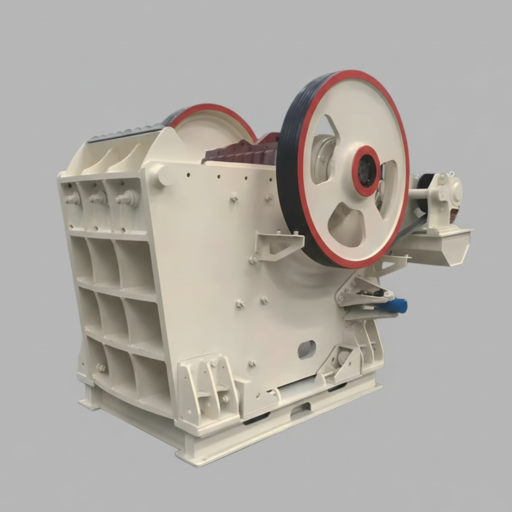
The table below outlines the complete river stone mobile crusher circuit. Each unit is track-mounted for independent movement and rapid setup. The three machines work in closed circuit to maximize sand yield and minimize oversize return.
Process stages
Primary reduction, secondary closed circuit, screening and the product handling that follows. Each stage is sized for the circulating load, not the saleable tonnage, because that is where undersized conveyors show up first.
What we need to quote
Feed analysis with top size and moisture, target tonnage per hour, product sizes, power available and the site country. A mass balance and layout follow within a week of those numbers.
Equipment in this route: see the equipment index.