
Mineral processing
Bentonite grinding line
Bentonite is a hydrated clay ore mainly composed of montmorillonite. The chemical composition of montmorillonite is: (Al2Mg3)Si4O10 OH2•nH2O. Due to its special properties, such as
Mass balance and layout issued with the proposal
This route is engineered around the material rather than a fixed catalogue layout. The sections below set out what the circuit has to do, which stages carry the load, and the points where a plant of this type usually loses capacity.
Bentonite is a non-metallic clay mineral mainly composed of montmorillonite. It has strong water absorption, swelling, suspension, adsorption, and cation exchange properties, making it widely used in industrial, agricultural, and environmental applications.
According to different application requirements, bentonite is commonly processed into powder of various fineness levels ranging from coarse powder to ultrafine powder. A complete grinding system is required to ensure stable fineness, high efficiency, and continuous production.
MSK provides customized bentonite grinding solutions ranging from 80 mesh to 3000 mesh, widely used in drilling mud, foundry, cat litter, coating, and environmental protection industries.
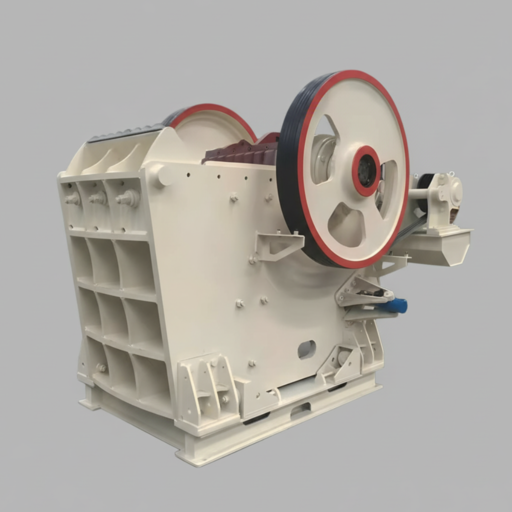
The bentonite grinding line generally includes crushing, drying (if needed), grinding, classification, and collection. The system is designed for high fineness and stable powder output.
Process stages
Primary reduction, secondary closed circuit, screening and the product handling that follows. Each stage is sized for the circulating load, not the saleable tonnage, because that is where undersized conveyors show up first.
What we need to quote
Feed analysis with top size and moisture, target tonnage per hour, product sizes, power available and the site country. A mass balance and layout follow within a week of those numbers.
Equipment in this route: see the equipment index.